
Using Your Phone Overseas: The Cheapest and Easiest Options
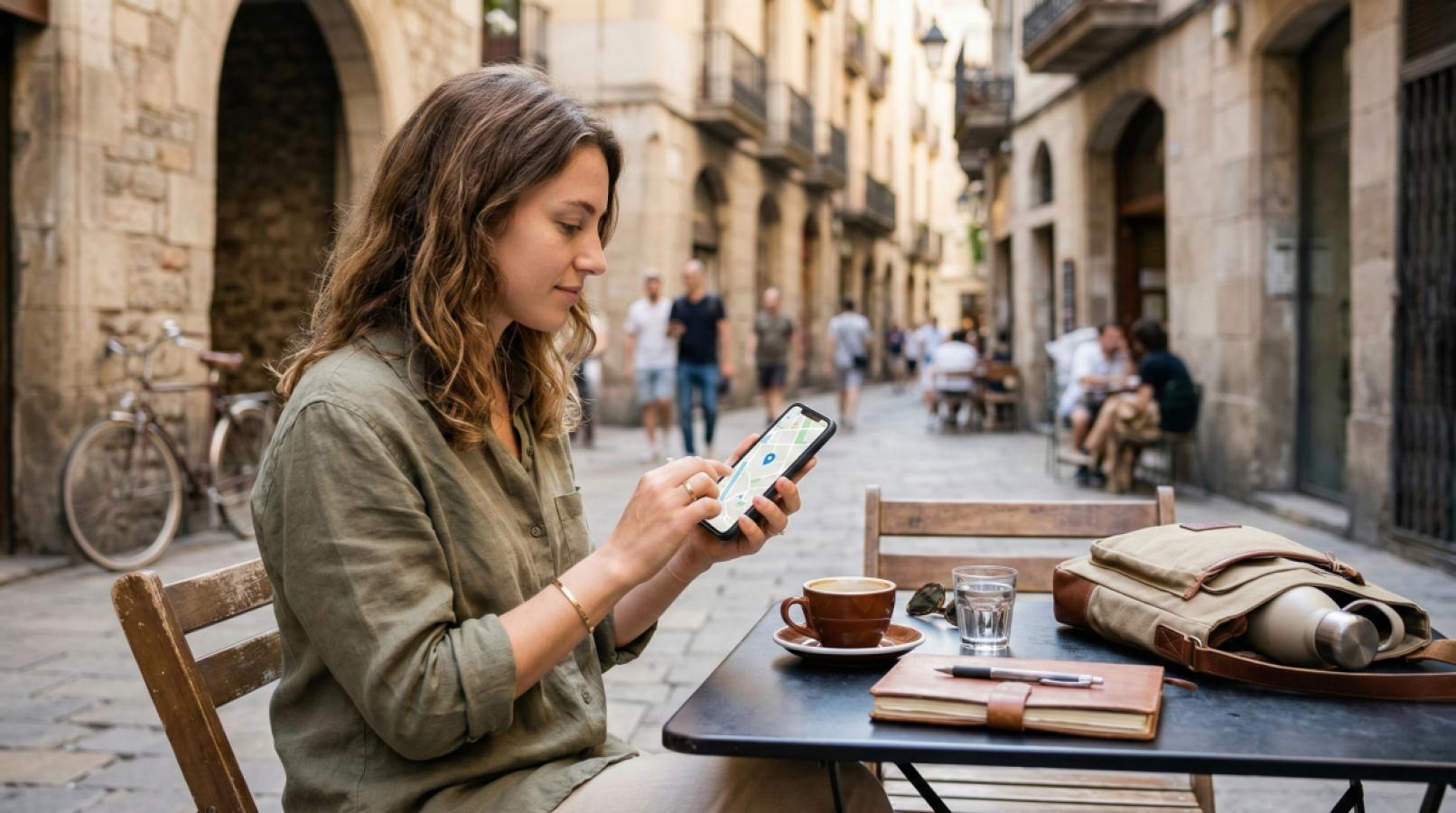
One of the biggest fears travellers have when going overseas is coming home to a massive phone bill. International roaming charges can quickly add up, especially if you rely on your phone for maps, messaging, booking transport, or staying in touch with family.
The good news is that using your phone overseas doesn’t have to be expensive or complicated. Travellers now have several affordable options including prepaid overseas roaming, local SIM cards, and modern cheap eSIM plans that allow you to stay connected without the high costs.
In this guide, we’ll explain how to use your phone overseas, compare the cheapest options, and help you choose the best solution for your trip.
Can I Use My Phone Overseas Without Roaming?
Yes, you absolutely can. Many travellers assume international roaming is the only way to use their phone overseas, but that’s no longer the case.
While roaming allows your phone to connect to foreign networks automatically, it often comes with very high fees. Instead, many travellers now avoid roaming altogether by using eSIMs, local SIM cards, or WiFi networks.
These alternatives allow you to use mobile data abroad at a fraction of the cost.
Understanding International Roaming
International roaming works when your home mobile provider partners with networks in other countries. When you travel, your phone connects to those networks and your provider charges you for using them.
Unfortunately, roaming charges can escalate quickly. Many providers charge daily roaming fees or high per-MB data rates. If you stream videos, download maps, or use rideshare apps frequently, costs can climb rapidly.
This is why many travellers search for the cheapest way to use a phone overseas before their trip.
Alternatives to Roaming
Fortunately, there are several cost-effective alternatives:
eSIMs
A digital SIM that you install on your phone before travelling. You can purchase plans online and activate them instantly when you arrive. Many travellers prefer this option because it’s quick and flexible.
You can explore options such as:
Country-specific plans for destinations like Japan, the USA or Thailand
Regional plans covering multiple destinations such as Europe or Asia
Global plans for long-term travel across many countries
You can browse these options directly at https://escapesim.com/
Local SIM cards
Buying a SIM card at your destination is another option. However, this often requires finding a store, providing ID, and swapping your physical SIM.
WiFi only
Some travellers rely solely on hotel or café WiFi. While this can work in limited situations, it isn’t practical when you need navigation, transport apps, or instant communication while moving around.
Affordable eSIMs vs Prepaid Overseas Roaming
When comparing cheap eSIM plans with prepaid overseas roaming from your home carrier, the differences are significant.
Prepaid Overseas Roaming
Typical characteristics include:
Daily roaming fees regardless of usage
Limited data allowances
Charges for calls and SMS
Expensive rates when travelling across multiple countries
Roaming can be convenient, but it’s rarely the cheapest option.
eSIM Plans
Modern travel eSIMs offer several advantages:
Much lower data pricing
Instant activation via QR code
No need to remove your physical SIM
Plans covering single countries, regions, or global travel
They’re particularly useful for travellers visiting multiple destinations in one trip.
If you’re new to the technology, this guide explains it in detail:
The Cheapest Way to Use Your Phone Overseas
The best option depends on how you travel.
Short Trips
For short holidays, cheap eSIM plans are usually the most affordable option.
You can install the plan before departure and activate it as soon as you land. This avoids roaming fees while keeping your phone connected immediately for maps, transport apps, and messaging.
Roaming might still be acceptable for extremely short trips where convenience matters more than cost.
Long-Term Travel
For longer trips, such as backpacking or digital nomad travel, eSIMs offer flexibility.
Regional plans allow travellers to move between countries without needing to purchase a new SIM card each time.
For example, regional plans across Europe or Asia allow seamless connectivity while travelling between destinations.
Business Trips
Business travellers usually prioritise reliability and convenience.
Using an eSIM allows you to keep your primary SIM active for calls while using the travel eSIM for mobile data. This means you can stay reachable while avoiding roaming data charges.
Using Mobile Phone Overseas for Calls, Data and Apps
Modern travel connectivity is mostly about mobile data rather than calls or SMS.
With data access, you can use apps such as:
WhatsApp and iMessage
Google Maps or Apple Maps
Uber or rideshare services
Banking and travel apps
Email and video calls
Many travel eSIMs are data-only, meaning they don’t provide traditional phone calls or SMS. However, most travellers now rely on internet-based apps for communication anyway.
This makes data-focused eSIM plans a practical and cost-effective solution.
Common Mistakes to Avoid When Using Your Phone Overseas
Before travelling, it’s important to avoid common mistakes that can lead to unnecessary charges or connectivity issues.
Forgetting to disable roaming
Leaving roaming enabled can result in unexpected charges if your phone switches networks automatically.
Not checking eSIM compatibility
Not all devices support eSIM technology, so you should confirm your phone is compatible before purchasing a plan.
Buying SIM cards at the airport
Airport kiosks often charge significantly higher prices than online providers.
Not checking coverage before purchase
Always confirm the plan supports your destination country or region.
How to Set Up an eSIM Before You Travel
Setting up an eSIM is usually very simple and only takes a few minutes.
Check if your phone supports eSIM
Most newer iPhones, Samsung Galaxy devices, and Google Pixel phones are compatible.
Purchase your plan online
Choose a country, regional, or global plan depending on your travel itinerary.
Scan the QR code
You’ll receive a QR code via email which installs the eSIM profile onto your device.
Activate the eSIM when you arrive
Your phone will connect automatically to a supported network.
For detailed setup instructions, visit:
https://escapesim.com/help/how-to
You can also explore available plans on the EscapeSIM website or review coverage details in the FAQ section.
Frequently Asked Questions
Can I use my phone overseas without roaming charges?
Yes. By using eSIMs, local SIM cards, or WiFi networks, travellers can avoid international roaming charges entirely.
What is the cheapest way to use your phone overseas?
For most travellers, cheap eSIM plans are the cheapest and most convenient option, especially when visiting multiple countries.
Are cheap eSIM plans reliable for international travel?
Yes. Travel eSIMs connect to major local mobile networks in each country, providing reliable mobile data coverage in most destinations.
Is prepaid overseas roaming worth it?
Prepaid roaming can be convenient but is usually more expensive than using an eSIM or local SIM card.
How do I know if my phone supports an eSIM?
You can check your phone’s settings or manufacturer specifications. Most recent smartphones from Apple, Samsung, and Google support eSIM technology.
Plans for this trip





More from the blog

Travelling Europe by train is one of the smartest ways to see more while spending less. Instead of dealing with airport queues, baggage rule...
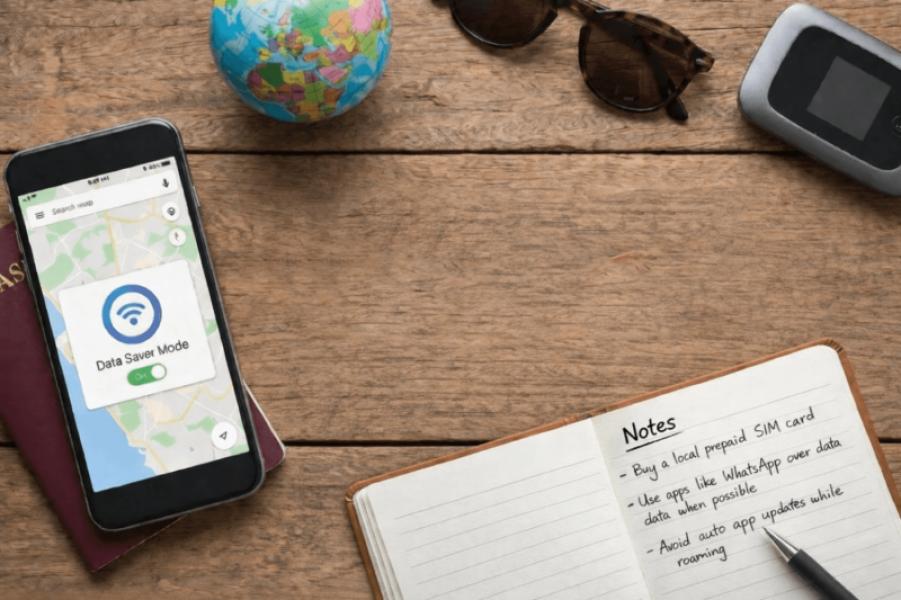
Learn how to conserve mobile data while travelling internationally. Practical tips for reducing usage, avoiding bill shock and staying connected with an eSIM.