

Travelling Europe by train is one of the smartest ways to see more while spending less. Instead of dealing with airport queues, baggage rules, and costly short-haul flights, you can move between major cities and smaller towns in a way that feels far more relaxed and often more affordable.
For budget-conscious travellers, trains offer a great balance of convenience, flexibility, and scenery. You can arrive in the heart of a city, avoid expensive airport transfers, and enjoy the journey itself along the way. Whether you are planning a backpacking trip, a digital nomad adventure, or a multi-country holiday, train travel makes it easier to explore Europe at your own pace.
With smart route planning, flexible booking habits, and the right travel tools, it becomes even easier to keep costs under control. One of the most useful tools for modern rail travel is staying connected with mobile data, especially when you are navigating stations, booking tickets, and crossing borders throughout your trip.
Why Train Travel Is the Best Way to Explore Europe
Train travel is one of the best ways to explore Europe because it is practical, comfortable, and often surprisingly cost-effective. Unlike airports, train stations are usually located close to city centres. That means less time and money spent getting in and out of town, and more time actually enjoying your destination.
It also turns travel days into part of the experience. Europe has some of the world’s most scenic rail journeys, from mountain routes in the Alps to countryside landscapes in France, Austria, and Italy. Even shorter journeys can feel memorable when you are watching villages, vineyards, and old towns pass by from your seat.
Another major advantage is how easy it is to connect multiple countries in one itinerary. Travellers can move between places like Paris, Amsterdam, Brussels, Prague, Vienna, and Budapest without the hassle that usually comes with flying. For shorter and medium-distance trips, train travel often feels simpler and more efficient.
If you are planning to rely on digital tickets, route apps, and maps during your trip, it also helps to understand your connectivity options before departure. EscapeSIM’s guide to what a travel eSIM is and why it matters is a useful starting point.
Planning Your Train Travel Through Europe
The key to travelling Europe by train on a budget is building a route that makes sense geographically. Instead of jumping across the continent just because flights are cheap, focus on cities and countries that connect well by rail. This saves money, reduces travel time, and makes the whole trip feel smoother.
A good strategy is to group destinations into regions. For example, Western Europe might include Paris, Amsterdam, and Brussels, while Central Europe could include Prague, Vienna, and Budapest. Southern Europe works well too, especially if you want to focus on Italian routes such as Milan, Florence, and Rome.
It is also important to think about pace. Travelling every day may seem efficient at first, but it can quickly become tiring and expensive. Staying two to four nights in each place often gives you a better balance between exploring more destinations and keeping transport costs manageable.
When you are crossing multiple countries, staying connected helps with everything from checking platforms to opening ticket confirmations. For travellers doing a rail-heavy itinerary, a regional Europe eSIM can make multi-country travel much easier.
How to Find Cheap Train Tickets in Europe
There are several ways to reduce train costs in Europe, and the biggest one is usually booking early. Many long-distance and high-speed services release cheaper fares well in advance, so travellers with fixed dates often get the best value by reserving early.
Rail passes can also work well for some trips, especially if you are planning multiple long-distance journeys across different countries. However, they are not always the cheapest option. In some cases, booking individual point-to-point tickets can cost less overall, especially if you are travelling slowly or sticking to only a few major routes.
Regional trains are another great option for budget travellers. They are usually slower, but they tend to be cheaper and can take you through smaller towns and local areas that high-speed routes bypass. This can make your trip both more affordable and more interesting.
Flexibility matters too. Travelling midweek, avoiding peak times, and comparing routes across a few dates can often reveal much lower fares. A small adjustment to your itinerary can sometimes save a surprising amount.
Staying Connected While Travelling Europe by Train
Staying connected is one of the easiest ways to make Europe train travel less stressful. Mobile data helps you check live schedules, access digital tickets, navigate unfamiliar stations, contact accommodation hosts, and use maps the moment you arrive somewhere new.
While some stations and trains offer WiFi, it is not always reliable. Signal can be patchy, speeds can be slow, and access may disappear entirely on regional routes or while crossing borders. For travellers who want dependable internet on the move, mobile data is usually the better option.
That is where a regional Europe eSIM becomes especially useful. Instead of relying on expensive roaming or hunting for public WiFi, you can stay online across multiple countries with one setup. This is ideal for backpackers, solo travellers, students, and digital nomads who need simple, flexible access to data while moving from city to city.
If you are new to eSIMs, EscapeSIM also has a step-by-step guide on how to activate your eSIM, which can be helpful before you leave.
Why eSIMs Are Ideal for Europe Train Travel
eSIMs are a natural fit for train travel because they remove friction from a multi-country trip. Instead of waiting for a physical SIM card, you can purchase a plan online, install it on a compatible phone, and get ready before departure.
They are especially useful in Europe because train travel often means frequent border crossings. With a regional data plan, travellers can stay connected across several destinations without needing to swap SIMs or buy a new one in each country.
Another major benefit is avoiding expensive roaming charges from your home carrier. When you are relying on your phone for maps, bookings, messaging, and travel updates every day, roaming costs can add up quickly. A prepaid travel eSIM gives you more control over your budget and removes that uncertainty.
For travellers wanting to confirm their phone will work before buying, EscapeSIM also has a live supported devices page where users can check eSIM compatibility.
Budget Tips for Travelling Europe
If you want to travel Europe on a budget, small decisions can make a big difference over the course of a trip.
One of the best ways to save is by travelling overnight where it makes sense. Sleeper trains or late evening departures can help reduce accommodation costs while covering longer distances more efficiently.
Booking off-peak services is another easy win. Trains outside busy commuter hours or weekend rush periods can often be cheaper and more comfortable. If your dates are flexible, compare a few options before booking.
Slower regional routes can also stretch your budget further. They may take longer, but they are often cheaper than high-speed trains and can offer a more local travel experience. For backpackers and long-term travellers, that slower pace often suits the trip better anyway.
Packing light helps too. A smaller bag makes train changes easier, avoids unnecessary stress on station stairs and platforms, and gives you more freedom if plans change unexpectedly.
And of course, avoiding carrier roaming fees is one of the simplest ways to save while staying connected. A regional Europe eSIM can help keep your travel admin, maps, and bookings running smoothly without adding surprise costs.
Popular Train Routes Across Europe Worth Taking
Some train routes are especially popular because they combine convenience, scenery, and strong value for travellers.
Paris to Amsterdam is a classic route for those exploring Western Europe. It connects two major cities efficiently and works well as part of a broader itinerary including Brussels.
Rome to Florence is one of Italy’s easiest and most rewarding train journeys. It is quick, practical, and ideal for travellers moving between major cultural destinations without the need for flights.
Prague to Vienna is another favourite, especially for people travelling through Central Europe on a budget. It links two beautiful cities and often fits neatly into itineraries that continue on to Budapest.
Other worthwhile routes include Munich to Salzburg, Barcelona to Madrid, and Venice to Milan. These city pairs are popular for good reason: they are well connected, enjoyable, and often easier than flying once you consider the total travel time.
Final Tips for a Budget-Friendly Europe Train Trip
Travelling Europe by train on a budget comes down to a few simple habits. Plan a route that flows well, compare rail passes against individual tickets, stay flexible where possible, and do not overload your itinerary with too many stops.
It also pays to prepare the practical side of your trip before departure. Check that your phone supports eSIM if you plan to use one, save your important bookings offline, and keep your luggage manageable enough for station changes and quick platform moves.
Tools matter too. Travel apps, digital tickets, route planners, maps, and reliable data all help reduce friction during the trip. For travellers moving across multiple countries, a Europe eSIM is one of the easiest ways to simplify the journey and avoid unnecessary roaming costs.
And if you want answers to common setup or usage questions before you travel, EscapeSIM’s FAQ page is worth linking from the article as well.
With a bit of planning, train travel can be one of the most affordable, scenic, and enjoyable ways to explore Europe.
Frequently asked questions
How much does it cost to travel Europe by train?
Is travelling Europe by train cheaper than flying?
What is the best rail pass for travelling Europe on a budget?
Can you use an eSIM while travelling through Europe by train?
Do European trains have WiFi or should you use mobile data?
Plans for this trip



More from the blog

One of the biggest fears travellers have when going overseas is coming home to a massive phone bill. International roaming charges can quick...
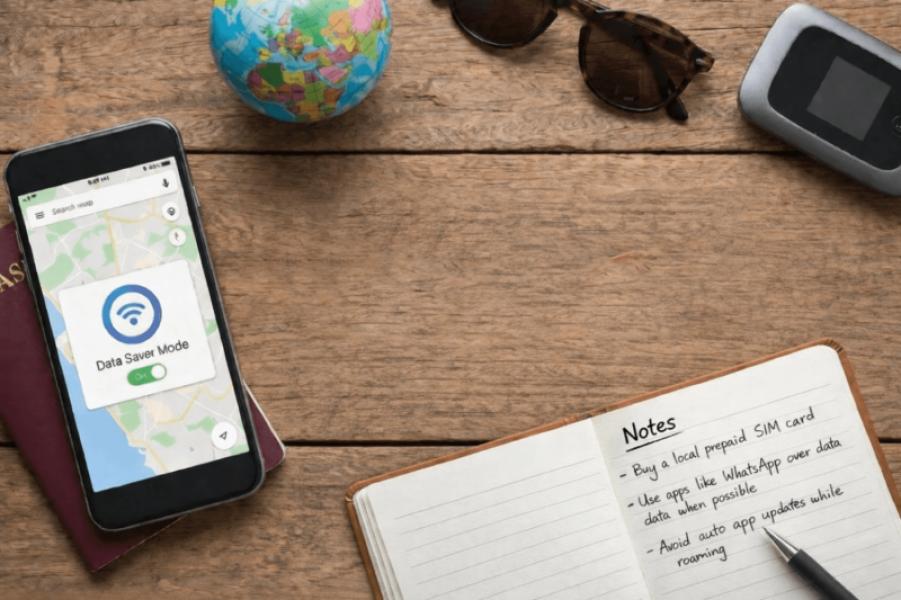
Learn how to conserve mobile data while travelling internationally. Practical tips for reducing usage, avoiding bill shock and staying connected with an eSIM.