
eSIM for Vietnam: What Changed in 2026 and What to Buy
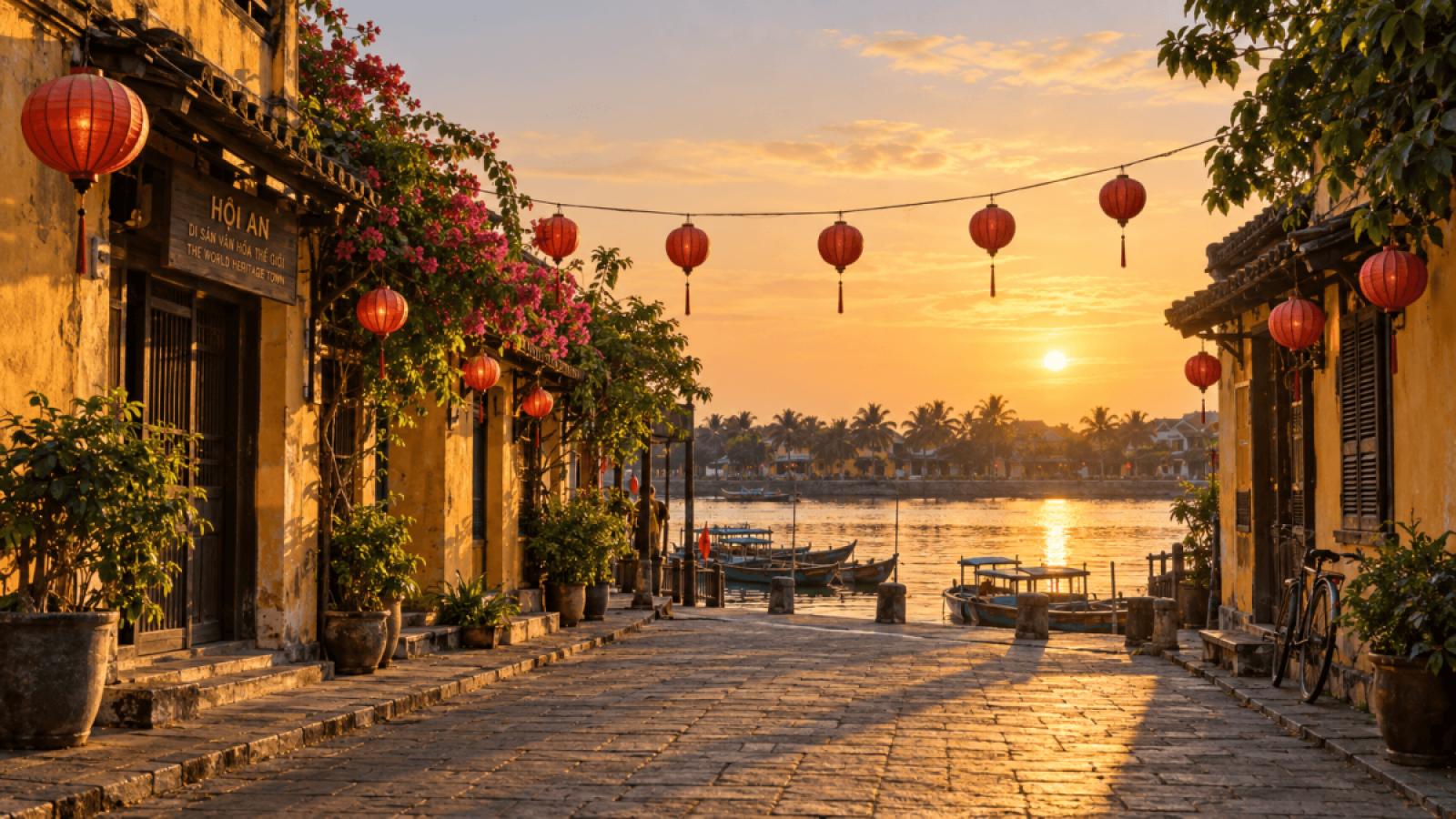
Vietnam changed its SIM card rules this year, and if you're planning a trip, it's worth knowing before you land at Tan Son Nhat or Noi Bai. Since April 2026, buying a physical SIM as a foreigner means an in-person visit to an official store with facial biometric verification against your ID. It's a genuine hassle after a long-haul flight. A data-only travel eSIM, set up before you fly, typically sidesteps this entire process.
That's the practical reason an eSIM makes sense for Vietnam right now, not just the usual convenience argument. You install it before departure, activate it when you land, and skip the queue, the paperwork, and the biometric scan altogether. For anyone landing in Ho Chi Minh City on a tight transfer to Da Nang, or arriving in Hanoi after an overnight flight with nothing left in the tank, that matters more than it sounds.
What actually changed with Vietnam's SIM rules
Under Circular 08/2026/TT-BKHCN, which took effect in April 2026, mobile subscribers in Vietnam now need facial biometric data checked against personal identification. For a local physical SIM, that means foreigners have to front up in person at an authorised store, passport in hand, and go through the verification step on the spot. It's a reasonable move for the Vietnamese government trying to curb SIM fraud, but it's an added friction point for a two-week holiday.
Most international travel eSIMs, including the ones built for tourists rather than local number registration, are structured differently. They're data-only, provisioned digitally, and generally don't require that in-person biometric step because you're not registering for a local Vietnamese phone number. That's the gap a lot of the current advice on this misses: it's not that the new law doesn't apply to anyone, it's that it's aimed at local SIM registration, and a data-only eSIM is a different product entirely.
Coverage: what you're actually connecting to
Vietnam's mobile networks are genuinely good by regional standards. Viettel has the broadest reach, including into rural and mountainous areas, which matters if your itinerary includes Sapa, Ha Giang, or the more remote stretches of the Mekong Delta. Vinaphone and MobiFone perform strongly in the cities and along the main tourist corridor from Hanoi to Ho Chi Minh City. VNPT rounds out the 5G rollout in urban centres.
EscapeSIM's Vietnam eSIM connects automatically to Mobifone Vietnam, VNPT, Viettel Vietnam, and Vinaphone Vietnam, so you're not choosing a carrier yourself. Your device picks up whichever of these networks gives the strongest signal in that location, which in practice means solid coverage in Hanoi's Old Quarter, along the coast in Da Nang and Hoi An, down through Ho Chi Minh City, and reasonable coverage in most places tourists actually go. Once you get well off the beaten track, into deep countryside or up in the northern highlands, signal can thin out, which is true of any network in any mountainous country.
4G is dependable across cities and the tourist trail. 5G is rolling out in the bigger urban centres, so don't expect blanket 5G the moment you land, but for maps, messaging, and streaming a podcast on the train from Hue to Da Nang, 4G handles it without issue.
How much data you actually need
This depends more on habits than on trip length. A few realistic scenarios:
- A five-day stopover in Hanoi or Ho Chi Minh City, mostly using maps, rideshare apps, and messaging friends back home: a smaller allowance covers it comfortably.
- A two-week loop from Hanoi to Hoi An to Ho Chi Minh City, with some photo uploads, video calls to check in, and streaming music on long bus rides: you'll want a mid-sized allowance to avoid watching the data bar tick down on day nine.
- A longer trip covering Vietnam alongside Thailand, Cambodia, or Laos: a country-specific plan stops working the moment you cross a border, so a regional option is worth considering if your route isn't staying inside Vietnam.
For Vietnam specifically, EscapeSIM's lineup covers this range: a 1GB plan for short stays or light use, a 3GB option running 7 or 15 days for a standard holiday, and a 3GB plan valid for a full 30 days if you're staying longer but not using much data day to day. There's also a one-day unlimited* option, useful for a single heavy-use day such as a long transit day or an evening uploading a full memory card of photos. If your route extends beyond Vietnam, the regional Southeast Asia and Asia-wide options cover multiple countries on one eSIM, which avoids buying a new plan every time you cross into Cambodia or Laos.
Setting it up without the airport stress
The best time to install an eSIM is before you leave home, ideally a day or two ahead, while you've got reliable wifi and aren't rushing. You install the eSIM profile in advance but don't activate the data plan until you land, so it's sitting ready on your phone the moment you're through immigration. This matters in Vietnam specifically because you don't want to be figuring out eSIM setup on airport wifi with a queue building behind you, especially now that the local SIM counter alternative involves its own paperwork.
Before you travel, it's worth confirming your phone actually supports eSIM. Most phones from the last four or five years do, but it's a five-minute check rather than an assumption. There's a straightforward guide to checking eSIM compatibility if you're not sure, and separate setup steps for Android devices if that's what you're carrying. If your APN doesn't populate automatically after activation, Vietnam eSIMs occasionally need a manual entry, and the APN settings guide walks through that in a couple of minutes.
What an eSIM doesn't do
Worth being upfront about this: travel eSIMs for Vietnam are data-only. You won't get a local +84 number for calling or receiving SMS from Vietnamese businesses, hotels, or delivery drivers. If you need a Vietnamese number for a specific reason, like a rideshare driver who calls rather than texts, that's a genuine limitation worth planning around, whether that means keeping a small amount of credit on a local number or just relying on WhatsApp and app-based messaging for everything else, which is how most travellers already operate anyway.
Your home SIM stays in your phone as the primary line the whole time, so texts, calls, and one-time passcodes from your bank or email still land exactly where they always do. That's one of the underrated reasons eSIMs suit Vietnam well: you're not juggling a second physical card, and you're not locked out of your usual number for the length of the trip.
Choosing between a Vietnam-only and a regional plan
If your trip is Vietnam only, whether that's a Hanoi-to-Saigon run or a beach week in Da Nang, a Vietnam-specific plan is simpler and usually more efficient for the data you'll actually use. If you're combining Vietnam with a wider Southeast Asia itinerary, hopping between Ho Chi Minh City, Siem Reap, and Bangkok, for example, a regional plan covering multiple countries on one eSIM means you're not re-buying a new plan at every border. It's a small decision, but worth making before you fly rather than mid-trip when you're standing at passport control with your data about to run out.
Preguntas frecuentes
Is an eSIM worth it for Vietnam?
Do I need to provide my passport or biometric data to get an eSIM for Vietnam?
Will my eSIM work all over Vietnam?
Can I get a Vietnamese phone number with an eSIM?
What happens if I run out of data in Vietnam?
Should I buy my Vietnam eSIM before travelling or wait until I arrive?
Does my phone support eSIM for Vietnam?
Planes para este viaje






Más del blog
Check if your Samsung phone is eSIM compatible in two minutes, plus model exceptions, regional restrictions, and fixes for missing Add eSIM options.

How eSIM data actually works in Fiji, from resort coverage to outer islands, plus setup tips and what to do if it's not connecting.
eSIM showing full signal but no internet? Fix it fast by checking roaming, your data line, and APN settings. A calm, step-by-step guide.