
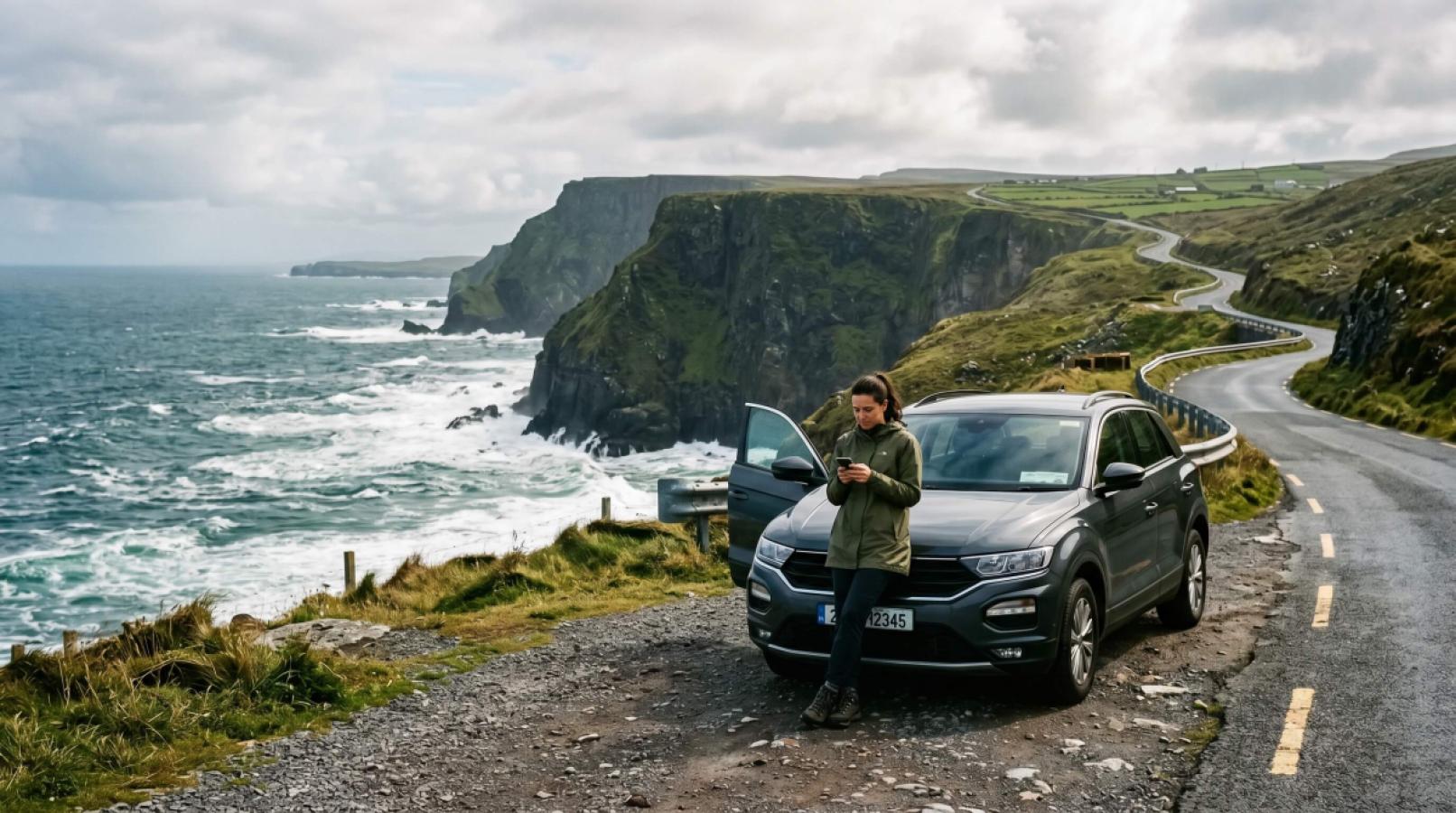
Ireland rarely needs an introduction, but the way travellers experience it is shifting. While the classic highlights—historic castles, rolling green hills, and perfectly poured stout—remain intact, visitors in 2026 are increasingly looking beyond the typical tour bus routes. The appeal of Ireland right now lies in its dramatic coastal drives, its rapidly evolving food scene, and the rugged, quiet corners of the west coast that reward those willing to navigate a narrow country road.
Whether you are planning a long weekend in Dublin or a two-week drive along the Atlantic coast, the key to a successful Irish trip is managing your pace. The island may look small on a map, but winding coastal routes and unpredictable weather mean journeys often take longer than expected. Here is a practical guide to what to do, where to focus your time, and how to handle the logistics on the ground.
Driving the Wild Atlantic Way
If there is one essential Irish experience, it is renting a car and tackling a section of the Wild Atlantic Way. Stretching for 2,500 kilometres along the western seaboard, it is one of the longest defined coastal routes in the world. You do not need to drive the whole thing; picking one or two counties is usually the better approach.
County Clare offers the stark, lunar-like landscape of the Burren and the sheer drop of the Cliffs of Moher. Further south, County Kerry draws heavy crowds for the Ring of Kerry, but the neighboring Dingle Peninsula often provides a more enjoyable drive. Dingle town itself is a superb base, known for its dense concentration of traditional pubs and excellent seafood.
If you want to escape the heaviest summer crowds, head north to County Donegal. Its coastline is arguably the most dramatic in the country, featuring the towering Slieve League cliffs and vast, empty beaches that feel entirely removed from the typical tourist trail.
City Breaks: Dublin, Cork, and Galway
Most international flights land in Dublin, making it the default starting point. Spend a day or two exploring the Georgian architecture, Trinity College, and the excellent museums, but do not let the capital consume your entire itinerary. Dublin is expensive and busy; the distinct character of Ireland often reveals itself more clearly in the smaller cities.
Galway, located on the west coast, is the country's cultural heart. It is a university city with a dense, walkable medieval center where live music spills out of doorways every night of the week. It is also the perfect jumping-off point for exploring the wild bogs and mountains of Connemara.
In the south, Cork operates at a slightly slower pace and takes immense pride in its food culture. The English Market, a covered food hall dating back to 1788, is a must-visit for local cheeses, smoked fish, and artisan breads. A short drive from the city brings you to Kinsale, a coastal town widely regarded as the culinary capital of Ireland.
Practicalities: Getting Around and Staying Connected
Public transport in Ireland is reliable between major cities, with regular trains connecting Dublin to Cork, Galway, and Belfast. However, if you want to reach the national parks, coastal viewpoints, or rural villages, renting a car is almost mandatory.
Driving in Ireland means driving on the left, often on narrow rural roads lined with high stone walls or hedges. Navigation apps are essential here, as signposting in remote areas can be sporadic. Because you will be relying heavily on Google Maps, Spotify, and looking up local opening hours, having a solid mobile data connection is crucial.
Instead of dealing with expensive daily roaming passes from your home provider, setting up an Ireland eSIM before you fly is usually the simplest option. It allows you to connect to local networks the moment you land, keeping your primary number active for incoming messages while using local data for heavy lifting.
If your itinerary includes crossing the border into Northern Ireland (to visit Belfast or the Giant's Causeway), keep in mind that Northern Ireland is part of the UK and operates on different mobile networks. A regional Europe eSIM is often the better fit for cross-border trips, as it will maintain your connection seamlessly as you drive between the Republic and the North. For those on a strict digital budget during their road trip, reviewing how to conserve mobile data while travelling internationally can help stretch your data allowance further.
Embracing the Pub Culture
The Irish pub is not just a place to drink; it is the social center of the community, especially in rural areas. When looking for a good pub, avoid the ones with massive televisions and loud pop music. The best spots are often unassuming from the outside, featuring small snugs, open fires, and a quiet atmosphere that encourages conversation.
If you are looking for traditional music (a "trad session"), they usually start late—often after 9:00 PM—and are typically informal affairs where local musicians gather in a corner to play fiddles, flutes, and bodhráns. Do not expect a stage or a formal concert; just buy a drink, find a seat, and enjoy the atmosphere.
When to Go
The Irish weather is famously unpredictable. You can experience bright sunshine, heavy rain, and high winds all within a single afternoon. Summer (June to August) offers the warmest temperatures and the longest daylight hours, but it also brings peak pricing and heavy crowds to major sites.
The shoulder seasons of May and September are often the sweet spot. The weather is generally mild, the days are still long enough for proper exploring, and the narrow coastal roads are far less congested with tour buses. Regardless of when you visit, packing layers and a high-quality rain jacket is non-negotiable.
Preguntas frecuentes
What is the best time of year to visit Ireland?
How many days do I need for an Ireland road trip?
Will my phone work in rural Ireland?
Do I need a different SIM card for Northern Ireland?
How much mobile data do I need for a week in Ireland?
Planes para este viaje




Más del blog
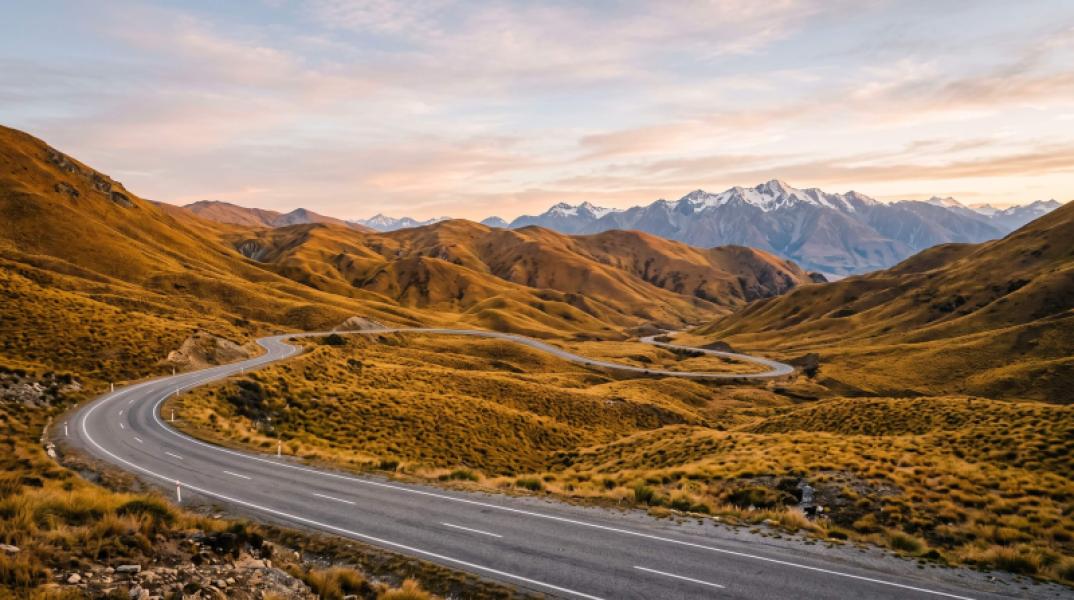
How to use an eSIM in New Zealand: coverage realities, the 3G shutdown, setup steps, and matching data plans to your actual trip.
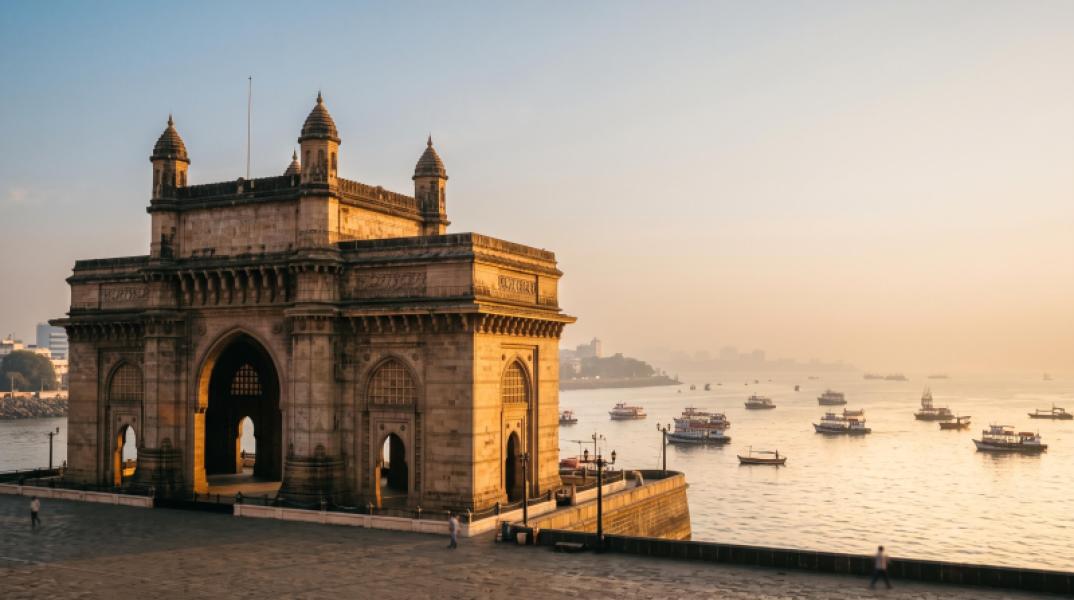
Planning India from Australia? Here's how to pick data, sort coverage, and get connected before you land, without the local SIM queue.
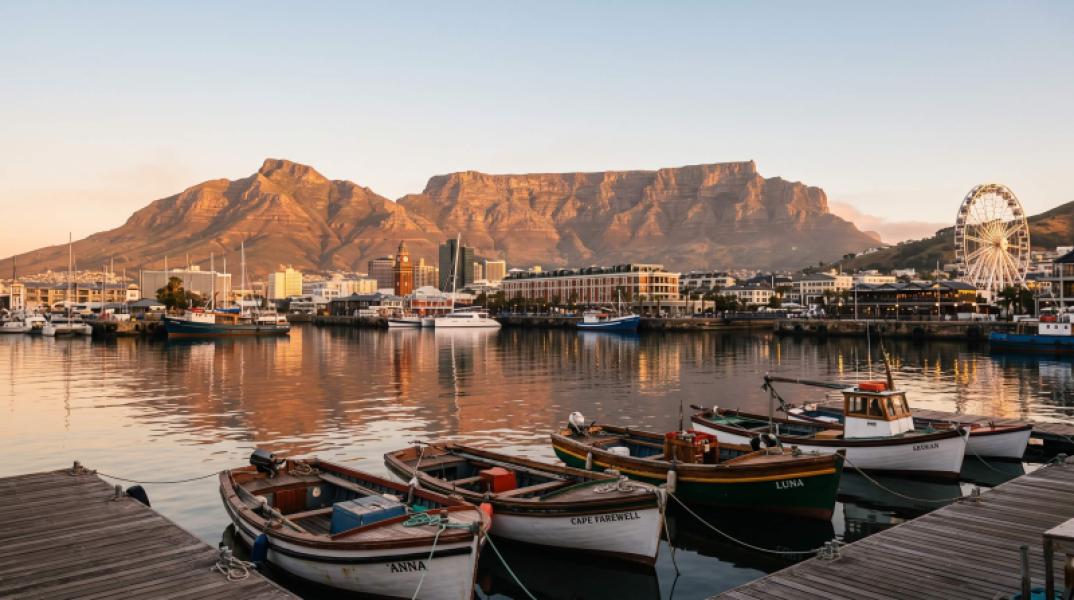
Skip the RICA SIM queue. Here's how an eSIM works for South Africa, how much data you need, and what coverage is really like on safari and in cities.