Is Canada Worth Visiting in 2026? A Practical Travel Guide
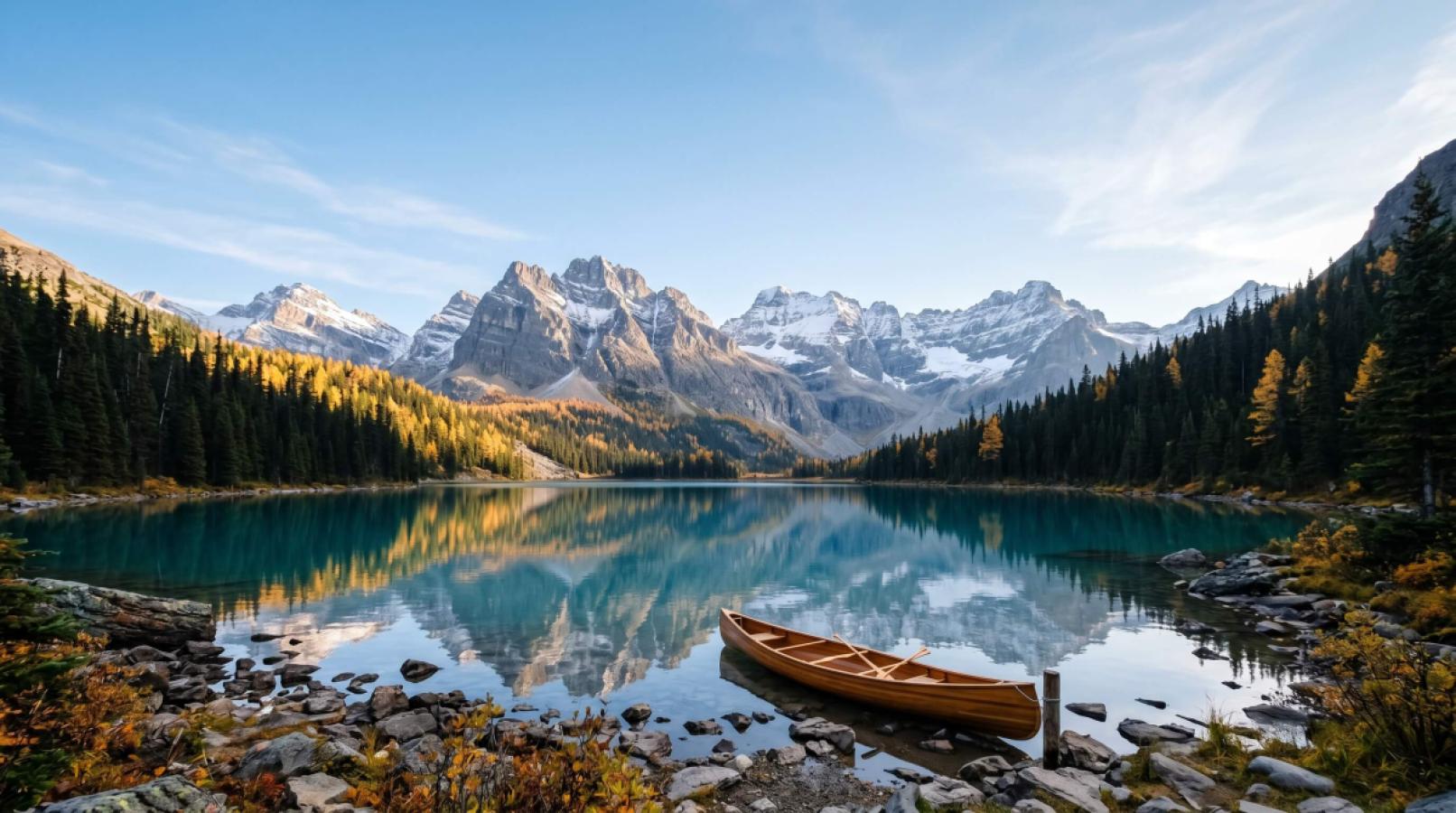
Canada's sheer scale is almost incomprehensible until you try to cross it. Often reduced to postcard clichés of turquoise lakes, polite locals, and brutal winters, the reality of traveling here is far more layered. With global travel trends showing a massive uptick in visitors heading north this year, the question remains: is Canada genuinely worth the long-haul flight and the significant ground distance required to see it properly?
The short answer is yes, provided you understand exactly what you are signing up for. Canada is not a country you "do" in a single two-week trip. It requires choosing a specific region and leaning into what it does best. If you expect cheap domestic flights and dense, walkable connections between major cities like you find in Europe, Canada will frustrate you. But if you appreciate massive outdoor landscapes, distinct regional cultures, and road trips, it delivers spectacularly.
The Core Appeal: Mountains, Metropolises, and Empty Spaces
Canada appeals heavily to travelers seeking vast outdoor experiences, but its urban centers offer surprisingly sharp cultural contrasts. You can spend a week hiking the Rockies, or a week eating through Montreal's French-influenced culinary scene, and feel like you have visited two completely different continents.
The country operates on extremes. You have dense, hyper-diverse financial hubs like Toronto sitting in the same province as millions of square kilometers of untouched wilderness. The appeal lies in this contrast—the ability to drink world-class espresso in Vancouver in the morning and be entirely off-grid in an old-growth rainforest by the afternoon.
Where to Focus Your First Trip
Because you cannot see it all, your itinerary needs a strict geographic focus.
The West Coast (British Columbia & Alberta)
This is the Canada most people picture. Vancouver offers coastal rainforests abutting a modern glass skyline, with immediate access to mountain trails and island ferries. A road trip east into Alberta hits Banff and Jasper national parks. The Icefields Parkway, connecting the two parks, is arguably one of the most impressive mountain drives on earth. Just remember that distances here are massive. Driving from Vancouver to Banff takes at least nine hours straight, and that is before you start exploring.
The East (Ontario & Quebec)
If you prefer culture, history, and food over multi-day hikes, head east. Toronto is a massive, diverse city with incredible global food scenes tucked into distinct neighborhoods. A short train ride away, Montreal and Quebec City offer cobblestone streets, centuries-old architecture, and an entirely different linguistic and cultural landscape. Quebec feels distinctly European, operating at a slightly slower, more deliberate pace than Ontario.
The Maritimes (Nova Scotia, PEI, Newfoundland)
For slow travel, rugged coastlines, and famous maritime hospitality, head to the far east. The Atlantic provinces require more deliberate planning and a rental car, but they reward you with fewer crowds, incredible seafood, and dramatic coastal drives like the Cabot Trail. This region operates on its own time zone and its own distinct rhythm.
Navigating the Distance: Transport and Logistics
Getting around is the biggest hurdle for international visitors. Domestic flights are notoriously expensive due to the sheer distance and a lack of airline competition, though a few newer budget carriers have recently improved the situation on major routes between Toronto, Calgary, and Vancouver.
Via Rail offers train routes, particularly the cross-country 'Canadian' connecting Toronto to Vancouver. However, it is expensive and slow—designed as a scenic luxury experience rather than a practical transit solution. For most visitors, renting a car is the only viable way to explore outside the major city centers, especially in the Rockies or the Maritimes.
Staying Connected Across the Provinces
Canada has some of the most expensive domestic mobile data rates in the world. If you rely on roaming from your home provider, the daily fees accumulate rapidly. Public Wi-Fi is standard in city cafes and hotels, but the moment you hit the highway or enter a national park, you need reliable cellular data for mapping, translation, and emergency contact.
If you are renting a car to navigate mountain passes or hopping between neighborhoods in Toronto, having a standalone data connection is highly practical. Setting up a Canada eSIM before you board your flight means your phone connects to local Canadian networks the moment you land, allowing you to bypass the overpriced SIM kiosks at Pearson or YVR airports.
If your itinerary involves crossing the border—perhaps driving from Vancouver down to Seattle, or taking the train from Montreal into New York—you are better off with a broader North America eSIM. Alternatively, if you plan to spend the majority of your time south of the border and are only briefly dipping into Toronto, a United States eSIM with regional add-ons might suit your setup better. Before you fly, simply check the Supported Devices list to ensure your handset can download the profile.
When to Plan Your Visit
Summer (July and August) is peak season. The weather is warm, the lakes are thawed, and the cities come alive with festivals. However, accommodation in places like Banff or Tofino books out six to twelve months in advance, and prices peak accordingly.
Winter (December to March) is strictly for winter sports enthusiasts. Cities like Montreal are atmospheric under heavy snow, but they require serious cold-weather gear to navigate safely. The ski resorts in British Columbia and Alberta are world-class during these months.
For the best balance of decent weather, fewer crowds, and manageable prices, aim for the shoulder seasons: September to early October. The fall foliage in the eastern provinces is spectacular, and the western mountains are still accessible before the heavy snows close the high-elevation trails.
The Verdict: Is It Right For You?
Canada rewards travelers who embrace scale and plan carefully. It is not a cheap destination, nor is it a place for rapid, checklist-style tourism. But if you want staggering natural beauty alongside complex, welcoming cities, it is absolutely worth the journey. Because of the distances involved, it is particularly well-suited to longer stays, making it a strong contender if you are working remotely while travelling.
Frequently Asked Questions
How long do I need for a trip to Canada?
To see one specific region properly (like the Rockies or the Quebec-Ontario corridor), you need an absolute minimum of 10 to 14 days. If you want to see both the East and West coasts on the same trip, plan for at least three to four weeks.
Is it expensive to travel in Canada?
Yes. Accommodation, domestic flights, and restaurant dining are priced similarly to the US, Western Europe, or Australia. Taxes are added at the point of sale, and tipping (15-20%) is standard practice in restaurants, which adds to the daily budget.
Do I need to speak French to visit Quebec?
In Montreal, you can easily navigate with English, though locals appreciate a polite "bonjour." Outside of Montreal, particularly in Quebec City and rural areas, French is the primary language, but most hospitality workers are bilingual.
Can I rely on public Wi-Fi in Canada?
In major cities, public Wi-Fi is abundant in cafes, malls, and transit hubs. However, Canada's geography means cell towers and internet infrastructure drop off quickly once you leave urban centers or enter national parks. A dedicated data plan is highly recommended for navigation.
How early should I book national park campsites?
If you plan to camp in popular parks like Banff, Jasper, or Pacific Rim during the summer months, you must book the exact day reservations open on the Parks Canada website, which is usually early in the year (January or February). Sites sell out within hours.
Frequently asked questions
How long do I need for a trip to Canada?
Is it expensive to travel in Canada?
Do I need to speak French to visit Quebec?
Can I rely on public Wi-Fi in Canada?
How early should I book national park campsites?
Plans for this trip




More from the blog
How to use an eSIM in New Zealand: coverage realities, the 3G shutdown, setup steps, and matching data plans to your actual trip.
Planning India from Australia? Here's how to pick data, sort coverage, and get connected before you land, without the local SIM queue.

Skip the RICA SIM queue. Here's how an eSIM works for South Africa, how much data you need, and what coverage is really like on safari and in cities.