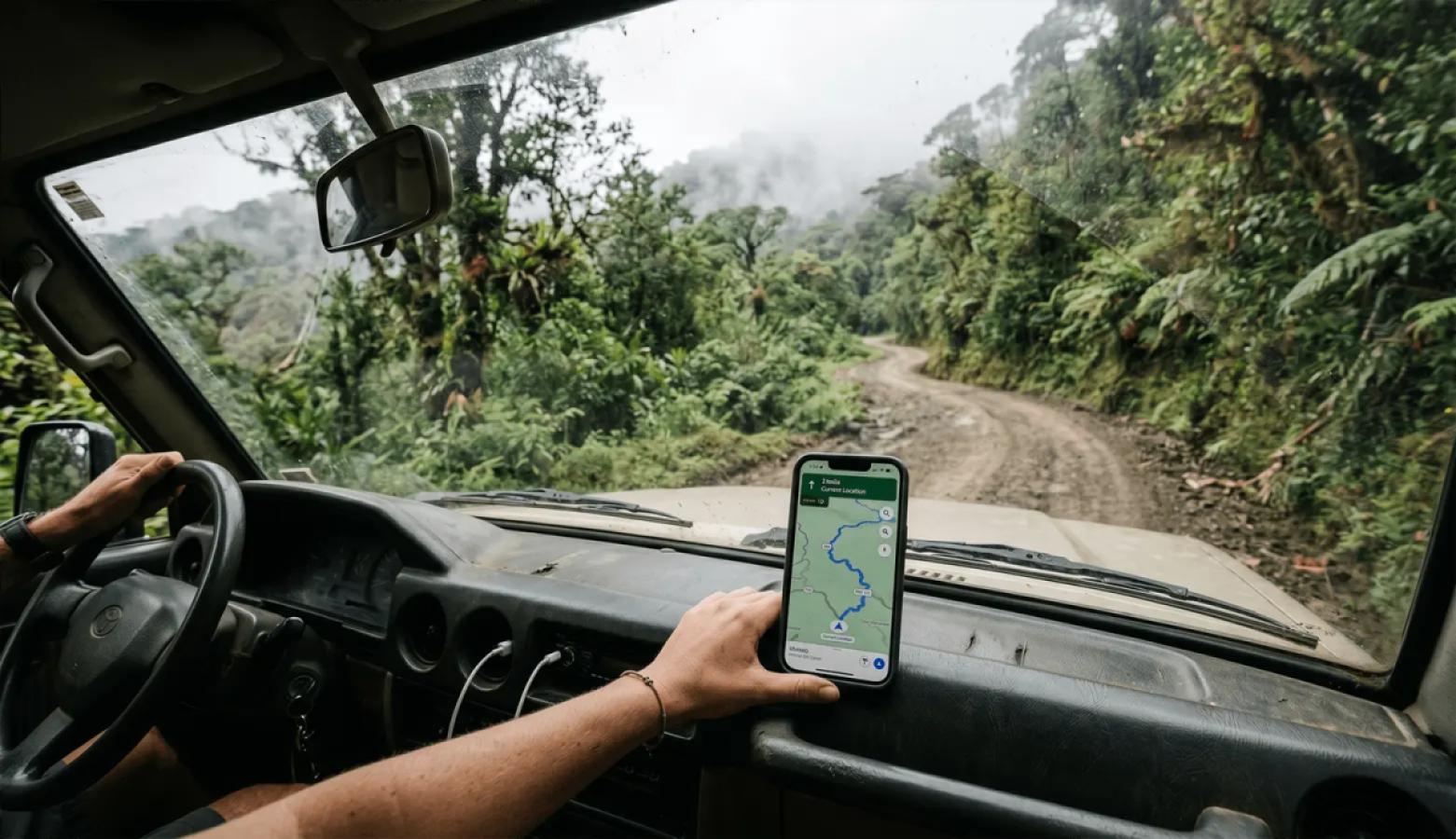
Costa Rica is not the rugged, off-the-grid secret it was twenty years ago. Today, international flights land daily in San José and Liberia, discharging travelers eager for a slice of the country's famous pura vida lifestyle. But as prices in popular surf towns creep closer to North American standards and coastal roads swell with rental SUVs, many travelers find themselves wondering if the destination still lives up to its reputation.
The short answer is yes, provided you calibrate your expectations. If you are looking for a dirt-cheap beach getaway, you might be disappointed. However, if you want highly accessible wildlife, dense cloud forests, established eco-tourism infrastructure, and world-class surf, Costa Rica remains one of the most reliable choices in Central America.
The Reality of the Tourist Trail
Regions like Guanacaste, Tamarindo, and Santa Teresa have transformed dramatically. What were once quiet fishing villages are now lined with boutique hotels, yoga retreats, and cafes catering to expats. This development brings undeniable comfort—excellent coffee, high-quality dining, and English-speaking tour guides—but it also means you are sharing the space with crowds during the peak dry season from December to April.
To find a quieter experience, you have to look past the main hubs. The Osa Peninsula in the south remains one of the most biologically intense places on the planet, offering genuine jungle isolation. Similarly, the Caribbean coast around Puerto Viejo moves at a slower, distinctly Afro-Caribbean rhythm, drawing a different crowd than the polished Pacific resorts.
Navigating the Roads and Connectivity
Getting around Costa Rica is an adventure in itself. While major highways are generally well-paved, the moment you detour toward a secluded waterfall or a boutique eco-lodge, you will likely encounter rutted dirt roads and sudden river crossings. Renting a 4x4 is often necessary, and self-driving is the preferred way to explore at your own pace.
Because road conditions can change rapidly due to weather, local drivers rely heavily on Waze for real-time traffic and hazard updates rather than standard GPS. This makes a constant mobile data connection highly practical. Instead of hunting for a local SIM card at the airport after a long flight, arriving with a Costa Rica eSIM allows you to load your maps immediately, message your rental car agency on WhatsApp, and hit the road.
If your itinerary extends beyond the borders—perhaps taking a bus up into Nicaragua or continuing south—it is often easier to use a regional Latin America eSIM plans to maintain coverage as you cross checkpoints without needing to swap physical cards.
Remote Work and Digital Nomad Reality
Costa Rica has heavily leaned into the remote work trend, offering specific visas and marketing itself as a haven for digital nomads. Coastal towns are packed with co-working spaces, but infrastructure outside these bubbles can be inconsistent. Power outages are common during the green (rainy) season, and fixed-line Wi-Fi in jungle lodges can drop out unexpectedly.
If you are working remotely while travelling, having mobile data as a backup hotspot is a basic requirement. However, mobile data in Central America can be more expensive per gigabyte than in parts of Asia or Europe. It pays to understand how to conserve mobile data while travelling internationally by downloading large files only when connected to a stable hotel network and saving mobile data for Zoom calls or essential emails.
Timing Your Trip: Dry Season vs Green Season
Your experience in Costa Rica relies heavily on when you visit. The dry season (December to April) guarantees long sunny days, making it ideal for beachgoers. However, this is also when prices peak, accommodation books out months in advance, and the dry northern forests turn brown and dusty.
The green season (May to November) is when the country truly earns its reputation. The jungle bursts into vivid shades of green, rivers swell for white-water rafting, and wildlife is often more active. While you will likely encounter heavy afternoon downpours, the mornings are usually clear, and the reduced crowds make popular spots like Arenal Volcano or the Monteverde Cloud Forest far more enjoyable.
Pre-Departure Practicalities
Before flying, confirm your transport from the airport. Taxis at San José (SJO) can be aggressive, so pre-booking a shuttle or confirming your rental car pickup location is a smart move.
Also, verify your phone's device compatibility if you plan to use an EscapeSIM or another travel eSIM. Ensuring your phone is unlocked and eSIM-ready before you leave home will save you from frustrating troubleshooting when you just want to get your vacation started.
Costa Rica may have evolved from its rough-around-the-edges past, but it has traded that for a well-oiled tourism machine that reliably delivers on its core promise: dense, accessible nature and a genuinely relaxed pace of life.
Frequently asked questions
Is Costa Rica expensive to visit?
Do I need a 4x4 to drive in Costa Rica?
Can I drink the tap water?
What is the best way to communicate with locals and businesses?
Are US dollars widely accepted?
Plans for this trip




More from the blog
How to use an eSIM in New Zealand: coverage realities, the 3G shutdown, setup steps, and matching data plans to your actual trip.

Planning India from Australia? Here's how to pick data, sort coverage, and get connected before you land, without the local SIM queue.

Skip the RICA SIM queue. Here's how an eSIM works for South Africa, how much data you need, and what coverage is really like on safari and in cities.