
Is Croatia Worth Visiting in 2026? An Honest Travel Guide
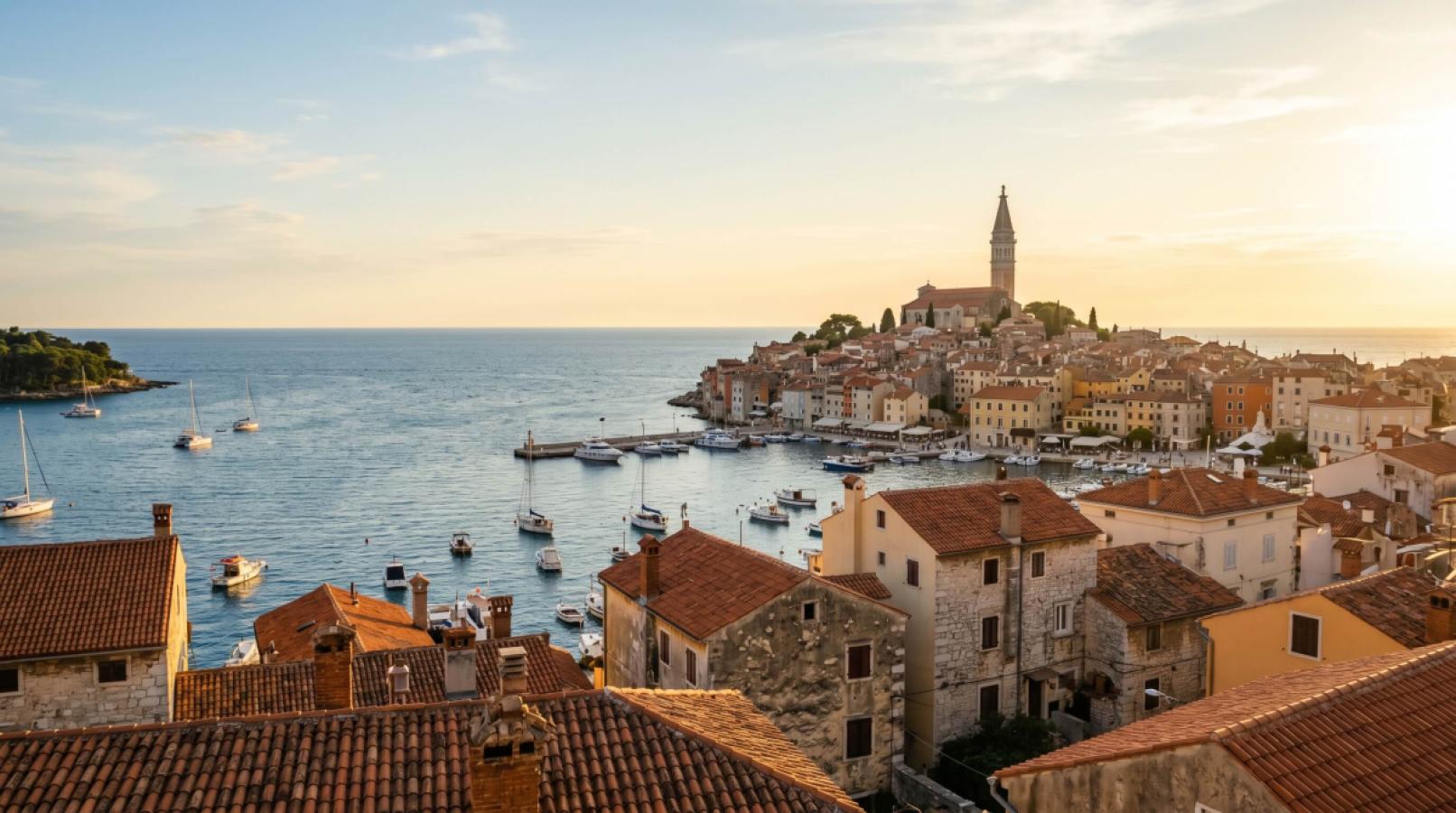
Croatia has spent the last decade transforming from a niche European summer spot into one of the continent's heavyweights. With its sapphire-blue Adriatic coastline, Venetian-style port towns, and cascading national parks, the appeal is obvious. But with rising prices, cruise ship traffic, and heavy July crowds, many travellers are asking if it still lives up to the hype.
The short answer is yes, Croatia is absolutely worth visiting—provided you plan strategically. If you expect a cheap, empty beach in the middle of August, you will likely leave disappointed. However, if you target the shoulder seasons, explore regions beyond the major cruise ports, and embrace the local ferry networks, it remains one of Europe's most rewarding coastal destinations.
The Reality of Summer on the Adriatic
Summer in Croatia is defined by the sun, the sea, and the crowds. Cities like Dubrovnik and Split see massive influxes of visitors from late June to August. While the weather is incredibly reliable and the sea is perfectly warm for swimming, you will pay a premium for accommodation, dining, and transport during these peak months.
Smart travellers are increasingly shifting their trips to May, September, and early October. During these shoulder months, the Adriatic is still warm enough for a swim, but the narrow stone streets of the historic centres are far easier to navigate. You also get much better value for money on everything from boutique hotels to catamaran tickets, and the local hospitality is notably more relaxed.
Best Places to Visit Beyond the Obvious
While Dubrovnik's medieval walls are undeniably impressive, they are not the only reason to visit the country. Diversifying your itinerary is the best way to experience authentic Croatian life.
Istria: Often called the "new Tuscany," this northern peninsula is famous for truffles, olive oil, and rolling vineyards. Towns like Rovinj and Motovun offer the coastal charm of Dalmatia without the overwhelming summer rush.
Zadar and Northern Dalmatia: A brilliant alternative to Split, Zadar offers Roman ruins, a lively local dining scene, and easy access to the stark, moon-like landscapes of the Kornati Islands.
The Outer Islands: Instead of defaulting to Hvar, consider hopping a ferry to Vis or Korčula. These islands require a bit more effort to reach, which naturally filters out the day-trippers and leaves a slower, more authentic atmosphere.
Choosing Between the National Parks
Croatia is famous for its waterfalls, primarily found in Plitvice Lakes National Park and Krka National Park. Plitvice is the larger and more dramatic of the two, featuring a massive network of terraced lakes connected by boardwalks. It is a stunning day trip, but it can get congested in mid-summer.
Krka is located further south, making it an easier day trip from Split or Šibenik. While you can no longer swim near the main waterfalls at Krka—a rule introduced to protect the ecosystem—the boat rides and surrounding trails make it an excellent alternative if you want to avoid the longer drive inland to Plitvice.
Food and Dining Expectations
Croatian cuisine is heavily regional. On the coast, expect exceptional seafood, grilled fish, and Italian-influenced dishes like black risotto (crni rižot). Inland, the food becomes heavier and more meat-focused, with slow-cooked dishes like peka (meat and vegetables roasted under a bell-like dome) dominating the menus.
Dining out in major tourist hubs has become expensive, on par with Western European capitals. To find better value, look for traditional 'konobas' (taverns) tucked away in the side streets, rather than restaurants lining the main promenades.
Practicalities: Transport and Connectivity
Getting around Croatia usually involves a mix of driving, buses, and ferries. If you are renting a car, the coastal roads offer incredible views, though parking in historic towns can be challenging. For island hopping, the Jadrolinija ferry network is extensive and reliable, but schedules change depending on the season, so checking times on the go is essential.
For most travellers, setting up mobile data before arriving is the simplest way to keep the trip moving smoothly. Whether you need to translate a menu in a small Istrian konoba, pull up your digital ferry ticket at the port, or use maps to navigate coastal roads, a Croatia eSIM allows you to step off the plane connected. If your itinerary involves crossing borders into neighbouring countries like Slovenia, Montenegro, or Italy, a broader Europe eSIM is often the better fit, preventing your data from cutting out while you are navigating a mountain pass.
The Verdict
Croatia is no longer a hidden budget destination, but it still delivers exceptional value if you know how to travel it. By timing your visit carefully, relying on local transport, and venturing just slightly off the main tourist trail, you can experience the Mediterranean exactly as it should be: slow, sun-drenched, and rich with history.
Frequently asked questions
How many days do I need in Croatia?
Is Croatia expensive to visit?
Do I need a car in Croatia?
How do I get mobile data in Croatia?
When is the best time to visit Croatia?
Plans for this trip




More from the blog
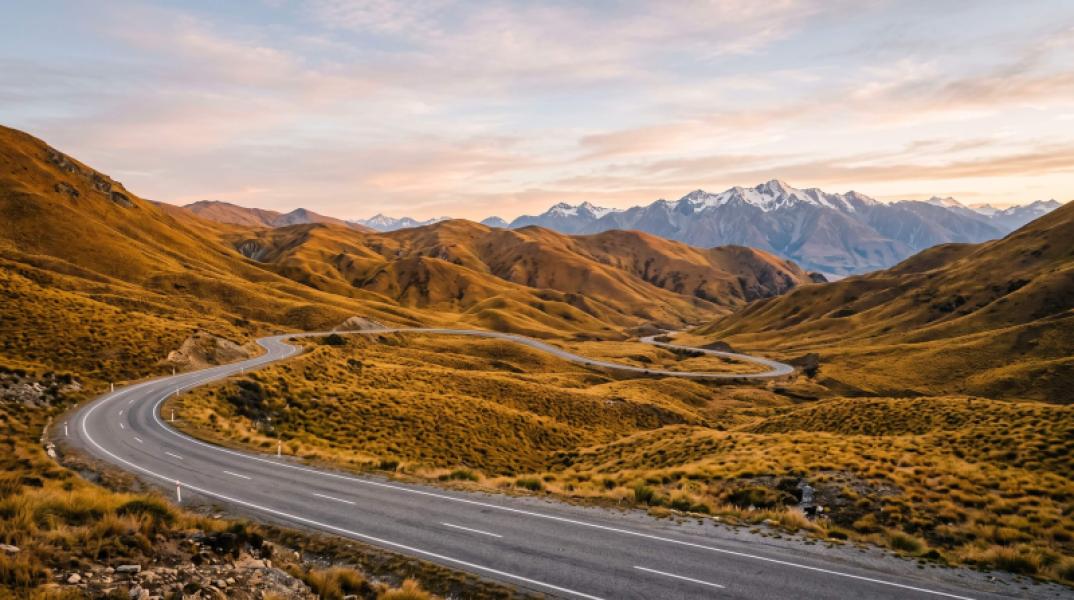
How to use an eSIM in New Zealand: coverage realities, the 3G shutdown, setup steps, and matching data plans to your actual trip.
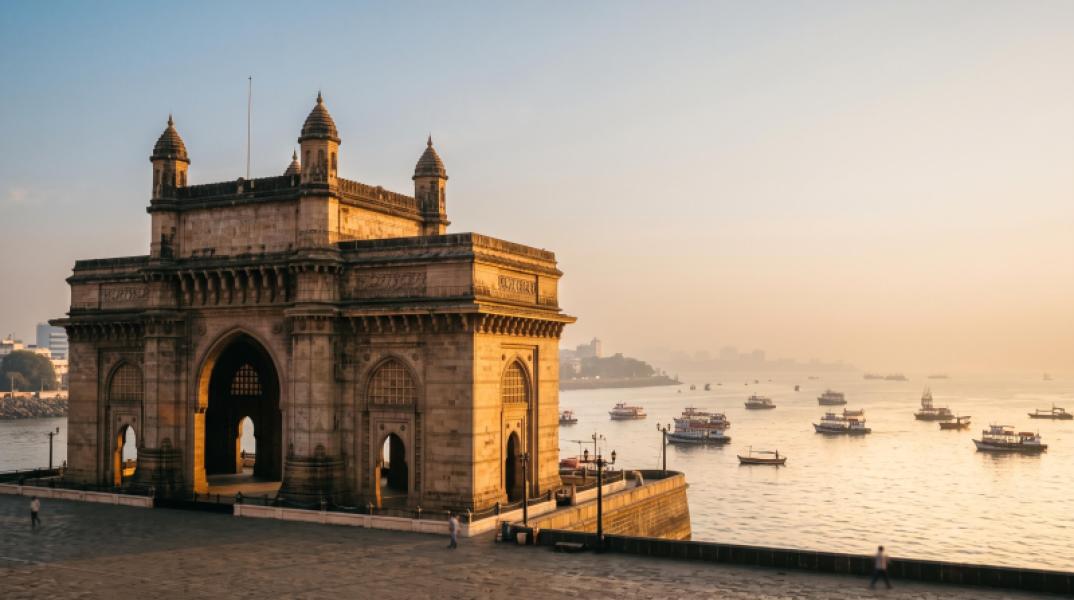
Planning India from Australia? Here's how to pick data, sort coverage, and get connected before you land, without the local SIM queue.
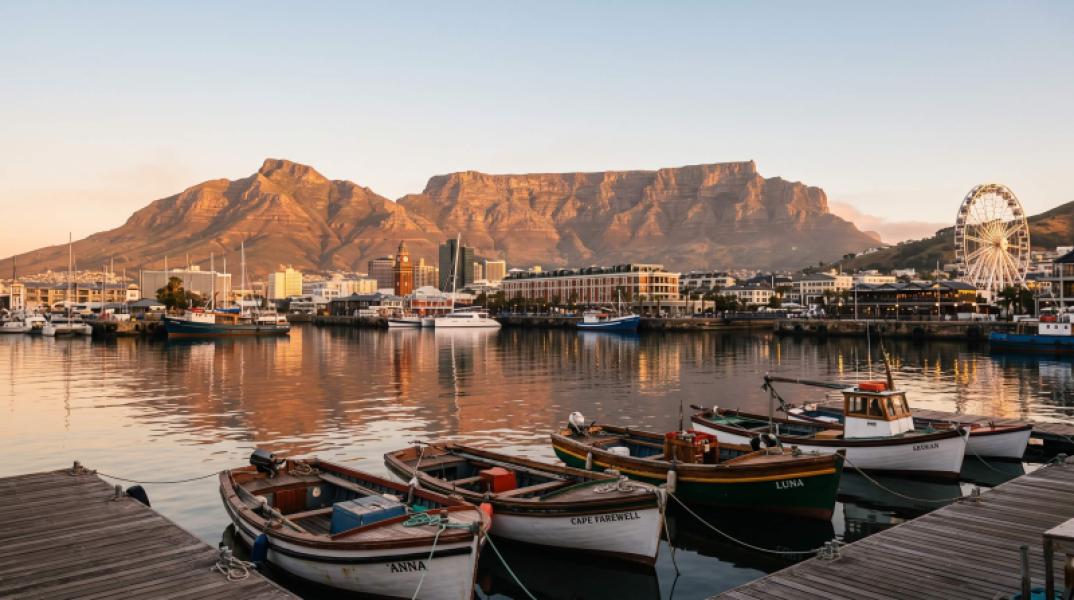
Skip the RICA SIM queue. Here's how an eSIM works for South Africa, how much data you need, and what coverage is really like on safari and in cities.