
Things to Do in Norway: 2026 Travel & Destination Guide
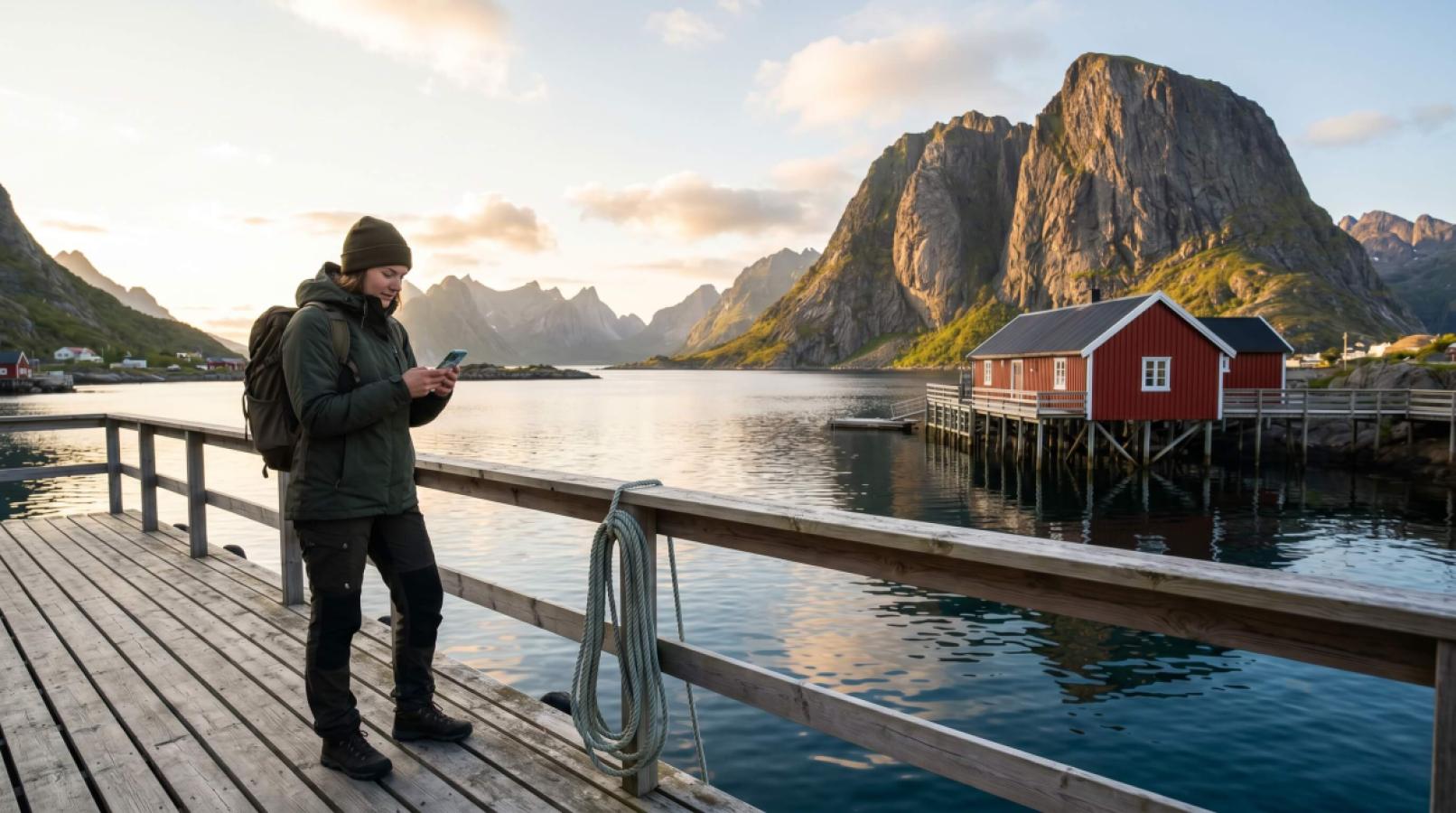
Norway is often reduced to a highlight reel of steep cliffs and deep water. While the western fjords absolutely deserve their reputation, modern Norwegian travel is about much more than traditional cruise ship itineraries. From Oslo's booming waterfront sauna culture to the remote surfing beaches of the Lofoten Islands, the country rewards those who look beyond the obvious.
Traveling through Norway requires some planning. The distances are vast, the weather is unpredictable, and the cost of living is notoriously high. But with a solid understanding of the transport network and a clear idea of what you actually want to see, exploring Scandinavia's most dramatic coastline is highly manageable.
When to Visit: Two Completely Different Experiences
Norway changes so drastically between seasons that it effectively becomes two different countries. Your timing dictates everything from what you pack to which roads are actually open.
Summer (June to August) is the peak season for hiking, road trips, and exploring the fjords. The days are incredibly long—if you cross the Arctic Circle, the sun simply does not set. This is the best time for driving the national tourist routes, hiking famous trails like Preikestolen, and relying on the extensive summer ferry schedules. The tradeoff is crowded viewpoints and peak pricing for accommodation.
Winter (November to March) is driven by two main draws: winter sports and the Northern Lights. The northern city of Tromsø becomes a hub for dog sledding, whale watching, and aurora hunting. The days are short, with the sun barely grazing the horizon in the deep winter, creating a permanent twilight. Driving requires experience with snow and ice, and many high-mountain passes are closed entirely.
The Shoulder Seasons (May and September) offer a practical compromise. May brings the spring melt and roaring waterfalls, while September offers autumn colors and the first chances of seeing the Northern Lights, without the severe cold of January.
Best Places to Visit in Norway
Oslo: Architecture and Sauna Culture
Skip the outdated idea that Oslo is just a transit hub. The capital has spent the last decade transforming its waterfront into a hub of modern Nordic architecture and public spaces. The area around the Opera House and the new Munch Museum is defined by floating saunas on the Oslofjord. Locals and visitors alike spend hours moving between the intense heat of the wood-fired saunas and the freezing water of the fjord. The Grünerløkka district remains the center for independent coffee shops, vintage stores, and the city's best bakeries.
Bergen and the Western Fjords
Bergen is the gateway to the dramatic landscapes that most travelers come to see. The city itself is anchored by Bryggen, the historic Hanseatic wharf, and the funicular up Mount Fløyen. From Bergen, you can easily access the Sognefjord and the Hardangerfjord. The famous Flåm Railway operates in this region, taking passengers from the high mountains down to the fjord edge. While the train is popular, renting an electric vehicle to explore the quieter branches, like the Nærøyfjord, offers significantly more flexibility.
Tromsø and the Lofoten Islands
Far above the Arctic Circle, Tromsø serves as the cultural capital of the north. It is a lively university town that functions as the perfect base camp for winter expeditions. Further south, the Lofoten Islands offer some of the most striking scenery in Europe. Jagged granite peaks rise straight out of the Norwegian Sea, sheltering traditional red fishing cabins (rorbuer) and surprisingly active cold-water surfing communities. Lofoten is best explored by car, though the narrow roads require patience in peak summer.
Getting Around: Trains, Ferries, and Road Trips
Norway's public transport is excellent but geographically challenged. The train network connects the major southern cities, with the Bergensbanen (the railway between Oslo and Bergen) widely regarded as one of the most scenic rail journeys in the world. If you are extending your trip across the continent, figuring out how to travel Europe by train on a budget is highly recommended, though Norway itself will undoubtedly stretch any budget.
North of Bodø, the train network stops. To reach Tromsø or the North Cape, you must rely on the coastal ferry system (Hurtigruten or Havila), long-distance buses, or domestic flights operated by SAS, Norwegian, or the regional carrier Widerøe.
Driving is straightforward, and the roads are exceptionally well maintained. However, progress is slow. Strict speed limits, winding mountain passes, and frequent car ferries mean that a journey of 200 kilometers can easily take four or five hours. Always overestimate your driving time.
The Financial Reality: Budgeting for Norway
There is no avoiding the fact that Norway is expensive. Alcohol, dining out in restaurants, and taxis carry a significant premium. To manage costs without ruining the trip, travelers often adopt local habits.
Norway has a strong bakery culture—grabbing a cardamom bun (kardemommebolle) and black coffee is a standard, relatively affordable breakfast. For lunches, local supermarkets like Rema 1000 and Kiwi offer high-quality fresh food. If you are renting a car or a cabin, cooking your own meals in the evening will cut your daily expenses in half. Additionally, Norway's "Right to Roam" (Allemannsretten) allows you to pitch a tent almost anywhere in open country for free, making it a highly accessible destination for serious hikers and campers.
Practicalities: Money and Mobile Data
Norway is a virtually cashless society. You will pay for everything, from a remote ferry crossing to a public toilet, with a card or your phone. Do not bother withdrawing large amounts of Norwegian Krone (NOK) before you arrive.
Because you will rely on your phone for digital transit tickets, translation, paying for parking, and navigating remote hiking trails, solid mobile coverage is critical. Fortunately, Norway's 4G and 5G networks are robust, blanketing even surprisingly remote mountainous areas and deep fjords.
For international visitors, using a Norway eSIM is usually the simplest option. You can set it up before landing at Oslo Gardermoen, keeping your home SIM active for bank security codes while using local data for Google Maps and the Vy transit app. If you aren't sure what size plan to buy for a two-week road trip, our guide on how much data for travel can help you estimate your usage based on navigation and streaming habits.
Frequently asked questions
How many days do I need to visit Norway?
Can I see the Northern Lights and the fjords on the same trip?
Do I need a multi-country data plan if I am visiting Scandinavia?
Is it easy to drive in Norway?
Will my phone work if I buy a travel eSIM?
Plans for this trip




More from the blog
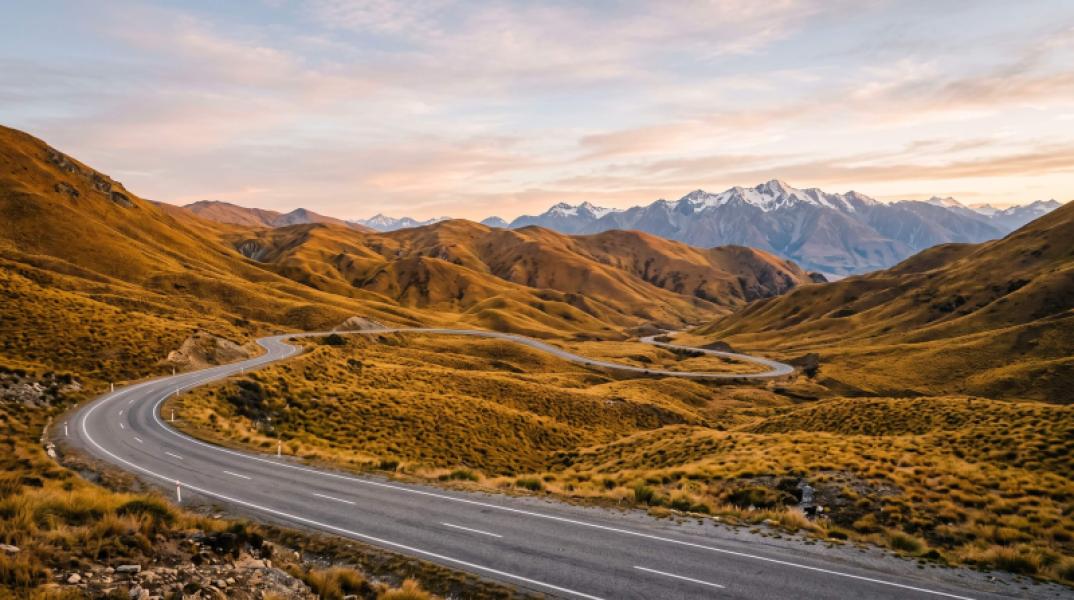
How to use an eSIM in New Zealand: coverage realities, the 3G shutdown, setup steps, and matching data plans to your actual trip.
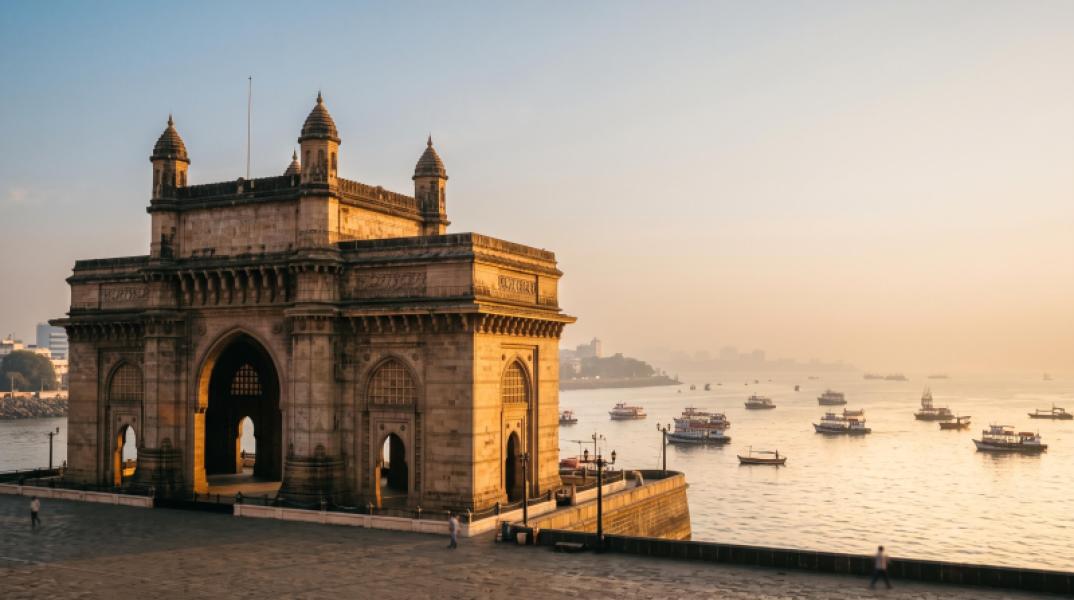
Planning India from Australia? Here's how to pick data, sort coverage, and get connected before you land, without the local SIM queue.
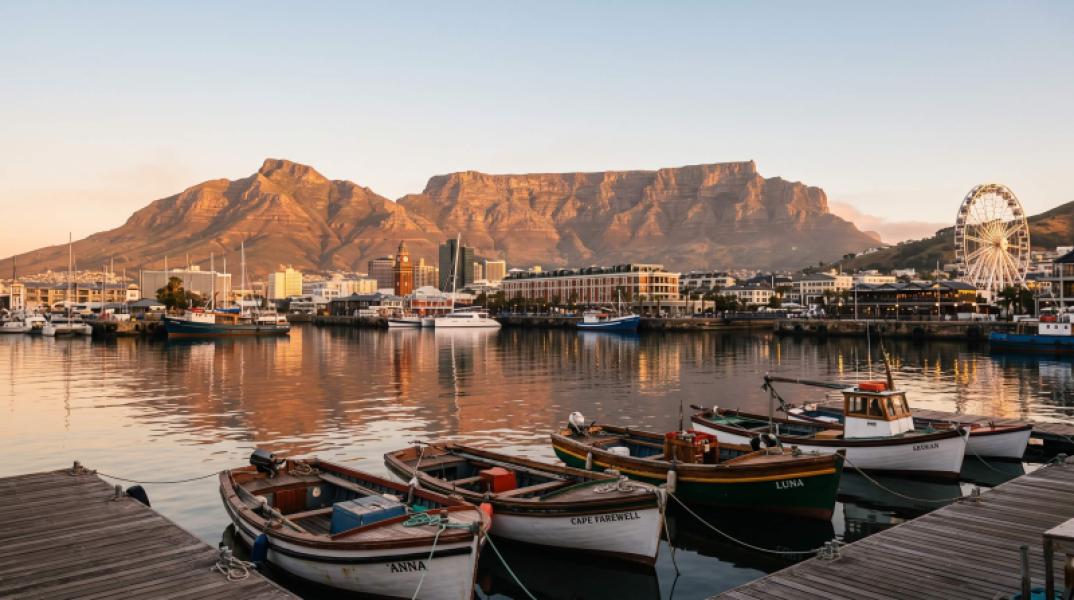
Skip the RICA SIM queue. Here's how an eSIM works for South Africa, how much data you need, and what coverage is really like on safari and in cities.